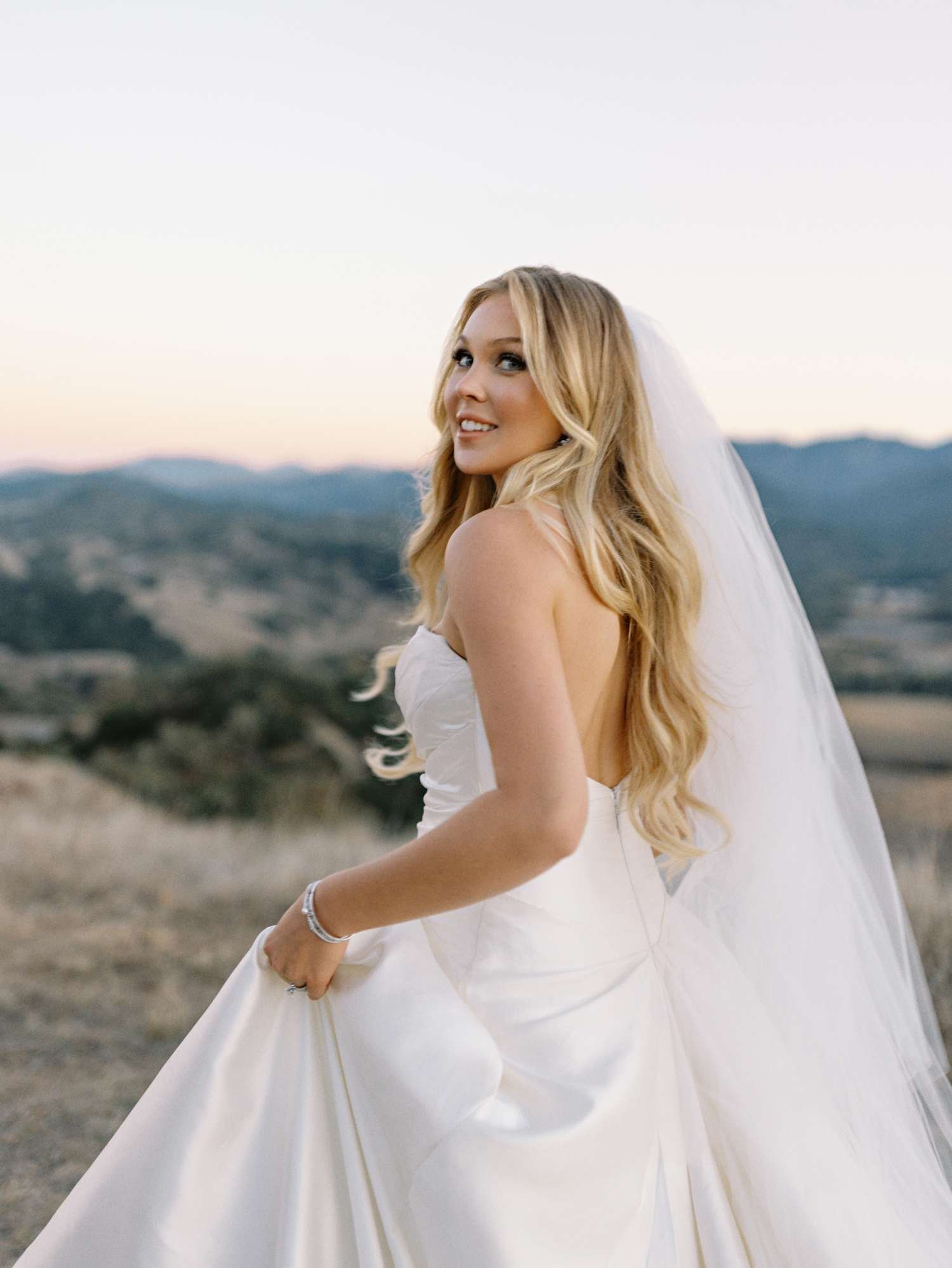
Your wedding makeup should feel like the best version of yourself. While trends come and go, the most memorable bridal looks balance timeless beauty with personal style. Some brides prefer soft, barely-there makeup, while others love glamorous eyes, bold lips, or glowing skin. The right choice depends on your features, wedding theme, venue, outfit, and comfort level.
Finding inspiration can be overwhelming because there are countless wedding makeup ideas online. Instead of copying a trend, it helps to understand why certain techniques work and how they complement different face shapes, skin tones, and lighting conditions. This guide explores practical ideas, expert advice, and common mistakes to help you choose a bridal look you’ll still love years from now.
What Makes Wedding Makeup Different?
Wedding makeup isn’t simply everyday makeup with extra products. It has to perform under different conditions throughout a long day. You’ll likely experience bright daylight, indoor lighting, photography flashes, emotional moments, dancing, and changing weather.
Professional bridal makeup focuses on longevity, balance, and photography. Products are layered carefully so the skin looks fresh rather than heavy. Foundation should appear natural up close while remaining flawless in high-resolution photos. Eye makeup must stay intact through happy tears, and lipstick should survive meals with minimal touch-ups.
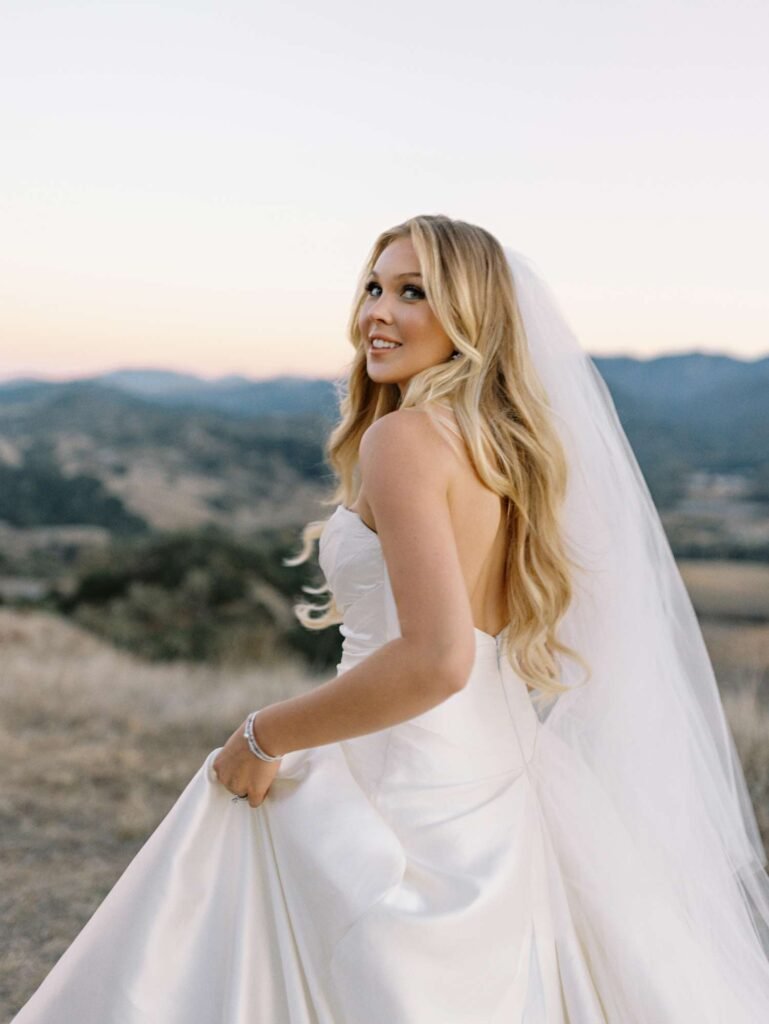
Comfort matters too. Heavy makeup can become uncomfortable after several hours, especially during outdoor weddings. A well-planned bridal look should feel lightweight while maintaining coverage where it’s needed.
Choosing Wedding Makeup Ideas That Match Your Style
Every bride has a different vision for her wedding day. Your makeup should support that vision instead of competing with it.
If you’re planning a classic church ceremony, timeless neutral makeup often photographs beautifully. Soft brown eyeshadow, delicate eyeliner, fluttery lashes, and satin-finish lips create an elegant appearance that rarely looks dated.
For modern weddings, glowing skin, brushed-up brows, and soft monochromatic makeup are increasingly popular. These looks emphasize healthy skin and subtle definition instead of dramatic contrast.
Garden weddings often suit fresh, romantic makeup with rosy cheeks and soft shimmer. Beach ceremonies usually benefit from waterproof formulas, bronzed skin, and lightweight products that withstand humidity.
Even your wedding dress influences makeup choices. Intricate gowns often pair well with understated makeup, while minimalist dresses can support slightly bolder beauty choices without overwhelming the overall look.
Soft Natural Wedding Makeup Ideas
Natural bridal makeup continues to be one of the most requested styles because it enhances features without looking overly made up.
The goal isn’t wearing less makeup—it’s applying products strategically. Lightweight foundation, softly defined eyebrows, cream blush, neutral eyeshadow, and subtle highlighter create a polished finish that still resembles your everyday appearance.
This approach works especially well for daytime weddings, outdoor ceremonies, and brides who rarely wear heavy makeup.
Natural makeup also tends to age well in photographs. Looking back years later, timeless elegance usually feels more satisfying than chasing short-lived beauty trends.
Glamorous Wedding Makeup Ideas for a Bold Bridal Look
Some weddings call for extra glamour. Evening receptions, luxury venues, and black-tie celebrations often suit more dramatic makeup.
A glamorous bridal look may include:
- Smoky eyes in warm browns or soft charcoals
- Defined eyeliner
- Full yet natural-looking lashes
- Sculpted cheekbones
- Satin or matte complexion
- Statement lipstick in rose, berry, or classic red
Balance is essential. If the eyes are dramatic, lips often look best in softer shades. Likewise, bold lipstick usually pairs well with simpler eye makeup.
Rather than layering every trend together, choose one feature to emphasize while keeping the rest refined.
READ MORE: Pilates at Home Workout for Beginners A Simple Guide to Building Strength
Wedding Makeup Ideas by Skin Tone
The most flattering bridal makeup complements your natural complexion rather than trying to change it.
Fair skin often shines with cool pinks, champagne highlights, taupe shadows, and peach blushes.
Medium skin tones pair beautifully with warm bronzes, soft golds, terracotta shades, and rosy nude lips.
Olive complexions work well with bronze eyes, muted coral cheeks, caramel neutrals, and earthy lip colors.
Deep skin tones can showcase rich jewel tones, warm chocolate shades, copper shimmer, berry lips, and radiant golden highlights that enhance natural warmth.
Matching foundation to your neck and chest instead of only your face creates the most seamless finish in wedding photographs.
Bridal Makeup Ideas for Every Season
The season affects both color choices and product performance.
Spring weddings often inspire fresh pinks, glowing skin, and floral-inspired color palettes that reflect the lighter atmosphere.
Summer weddings benefit from sweat-resistant products, oil control, waterproof mascara, and lightweight foundations. Cream formulas can create a fresh finish while avoiding dryness.
Autumn weddings pair beautifully with warm browns, burnt peach, copper shimmer, cinnamon tones, and deeper lip colors that echo seasonal landscapes.
Winter ceremonies often suit sophisticated finishes with cool neutrals, subtle sparkle, berry lips, and luminous skin that stands out against elegant formalwear.
Adapting your makeup to seasonal conditions can improve comfort as well as longevity.
Wedding Makeup Ideas for Different Bridal Themes
Your venue and wedding style can guide makeup decisions naturally.
A rustic countryside wedding often looks beautiful with soft earthy tones and effortless texture.
Luxury ballroom weddings may suit polished glam featuring defined eyes and luminous skin.
Vintage-inspired celebrations pair well with winged eyeliner, softly sculpted cheeks, and classic lip colors.
Bohemian weddings often embrace glowing skin, brushed brows, neutral shadows, and natural lip shades.
Minimalist weddings usually focus on flawless skin preparation rather than dramatic color.
Instead of forcing a theme, aim for harmony between your makeup, hairstyle, accessories, flowers, and dress.
Preparing Your Skin Before the Wedding
Beautiful makeup starts weeks before the ceremony.
A consistent skincare routine helps makeup apply more evenly than trying new treatments a day before the wedding.
Focus on cleansing, moisturizing, gentle exfoliation, and daily sunscreen. If you’re considering facials, chemical peels, or cosmetic treatments, schedule them well in advance to allow your skin time to recover.
Hydration also matters. Drinking enough water and getting sufficient sleep won’t completely transform your skin overnight, but healthy habits contribute to a fresher appearance.
Most makeup artists recommend a bridal makeup trial several weeks before the wedding. This appointment allows you to test colors, check how products wear throughout the day, and make adjustments without last-minute stress.
Common Bridal Makeup Mistakes
Many bridal makeup problems come from overcorrecting rather than underpreparing.
Choosing a foundation that’s too light for the neck often creates obvious contrast in photographs. Heavy contouring may appear dramatic in person but unnatural under professional cameras.
Skipping waterproof mascara is another frequent mistake, especially during emotional ceremonies.
Trying an entirely new makeup style on the wedding day can also lead to disappointment. If you rarely wear bold eyeliner or bright lipstick, your wedding probably isn’t the best time to experiment.
Finally, don’t ignore lighting. Makeup that looks perfect in bathroom mirrors may appear different outdoors or under evening reception lighting. Testing your bridal makeup in natural daylight provides a more accurate preview.
Expert Tips for Long-Lasting Bridal Makeup
Professional makeup artists often focus more on preparation than on expensive products.
Skin should be moisturized appropriately without becoming greasy. Primer should address your skin type rather than following trends. Oily skin may need mattifying products, while dry skin benefits from hydrating formulas.
Thin layers generally last longer than thick applications. Building coverage gradually creates a more natural finish and reduces cracking throughout the day.
Setting spray helps lock makeup in place, while blotting papers are often better than repeatedly applying powder during the reception.
Ask your makeup artist for a small touch-up kit containing lipstick, powder, cotton swabs, and blotting sheets. These simple items can keep your makeup looking fresh without requiring a complete refresh.
Final Thoughts on Wedding Makeup Ideas
The best wedding makeup ideas aren’t necessarily the trendiest ones. They’re the looks that complement your personality, enhance your natural features, and help you feel confident from the ceremony through the final dance.
Spend time understanding your preferences, schedule a makeup trial, communicate openly with your artist, and choose products suited to your skin type and wedding conditions. A thoughtful approach produces makeup that photographs beautifully while still feeling unmistakably like you.
Years from now, your wedding photos should remind you of how happy you felt—not make you wonder why you followed a passing beauty trend.
Frequently Asked Questions
1. What are the most popular wedding makeup ideas for 2026?
Soft glowing skin, natural brows, subtle shimmer, monochromatic makeup, and timeless neutral color palettes remain among the most requested bridal looks.
2. Should I do my own wedding makeup or hire a professional?
If you’re confident applying long-wearing makeup and have practiced the look several times, doing it yourself can work. Many brides prefer a professional because they understand photography, durability, and product layering.
3. How long before the wedding should I have a makeup trial?
A trial is usually best scheduled one to three months before the wedding, leaving enough time to make changes if needed.
4. Which makeup finish looks best in wedding photos?
A natural satin finish generally photographs better than extremely matte or overly dewy skin because it balances texture and light reflection.
5. What lipstick lasts longest during a wedding?
Long-wear matte or satin liquid lipsticks usually offer the best staying power. Carry your chosen shade for touch-ups after meals.
6. Is airbrush makeup better than traditional foundation?
Not always. Airbrush makeup can provide lightweight, long-lasting coverage, but traditional foundation often offers greater flexibility depending on skin type and desired finish.
7. How can I make my wedding makeup last all day?
Proper skincare, primer, thin product layers, waterproof eye makeup, setting spray, and occasional blotting are more effective than applying excessive powder.