
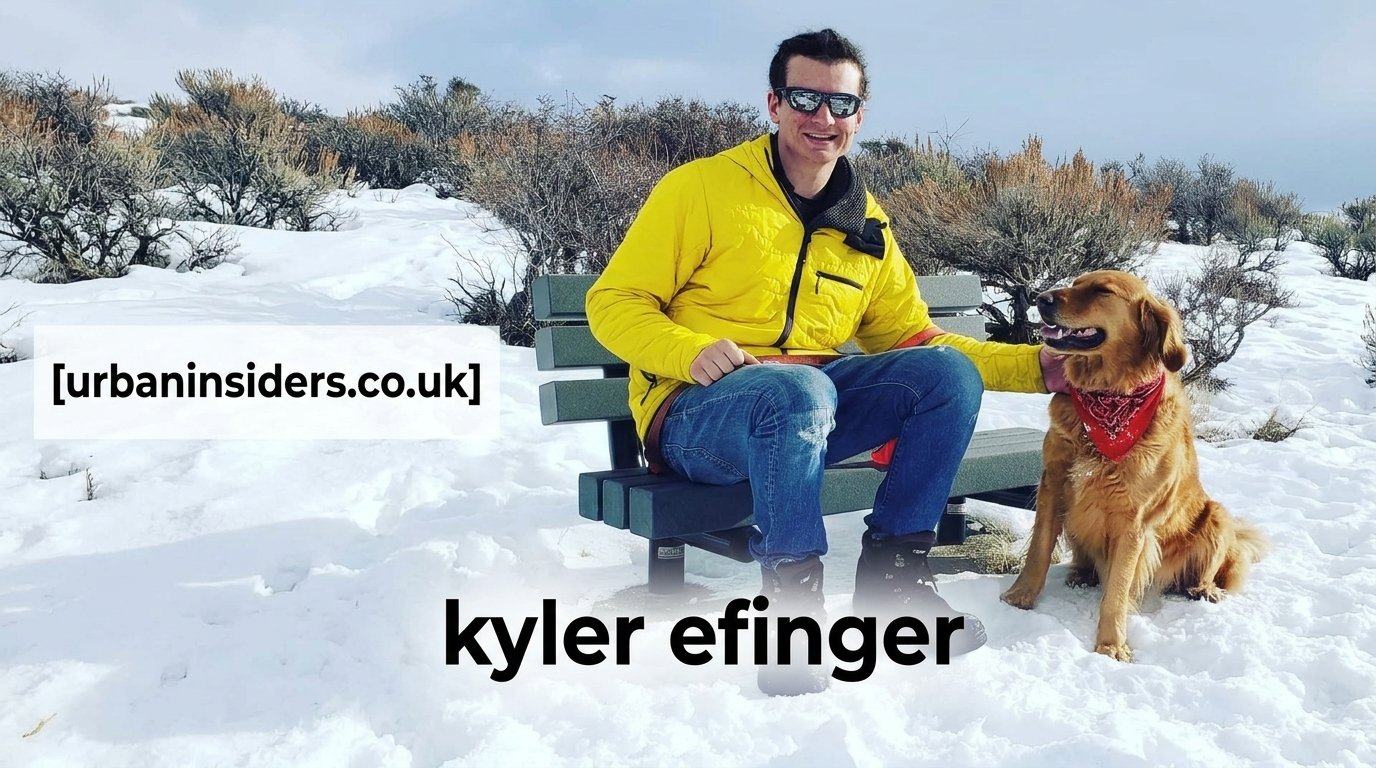
Kyler Efinger became widely known after a tragic incident at Salt Lake City International Airport on January 1, 2024. But the circumstances of his death tell only part of his story. Behind the headlines was a 30-year-old man from Park City, Utah, remembered by his family and friends for his enthusiasm, kindness, love of the outdoors, and strong connection to the people around him.
Born in Carlsbad, California, on June 1, 1993, Kyler grew up in Park City after his family moved there when he was young. He developed a deep affection for skiing, soccer, hiking, longboarding, and reggae music. His family later described him as someone whose personality was defined by warmth and an ability to make others feel cared for.
His death became the subject of national attention because of what happened at the airport that New Year’s Day. It also raised difficult questions about mental-health crises, airport security, emergency response, and the responsibility of bystanders when someone appears to be in distress. In 2026, those questions became part of a wrongful-death lawsuit filed by Kyler’s parents against Salt Lake City.
Who Was Kyler Efinger?
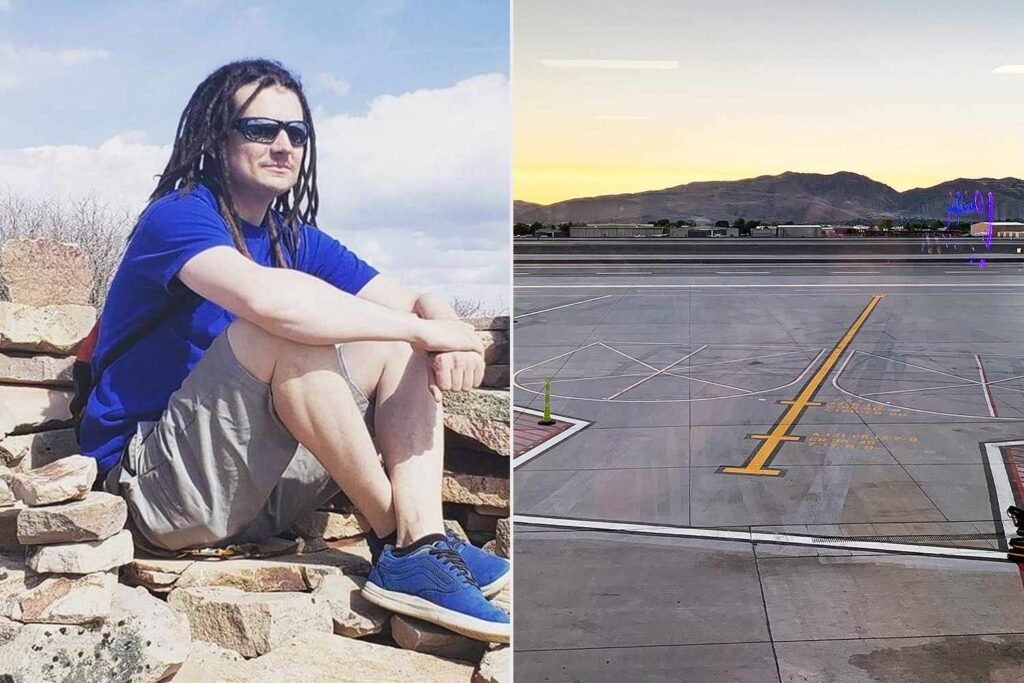
Kyler Lydens Efinger was the first child of Judd and Lisa Lydens Efinger. According to his family’s published account, he was born in Southern California before the family relocated to Park City, where he spent much of his life. He later became an older brother to Annekë and Reinhold.
Those close to him remembered Kyler for his outgoing personality and adventurous nature. His obituary described him as fearless, enthusiastic, and deeply affectionate toward his family, friends, and dogs. His interests reflected the environment in which he was raised: skiing, soccer, hiking, longboarding, and music were important parts of his life.
Kyler was particularly connected to skiing and Park City’s mountain culture. His father later recalled that Kyler started skiing as a very young child and felt a powerful connection to the mountains. That love of skiing would eventually become an important part of the family’s efforts to preserve his memory.
Read more: Indigo Naess Inside the Private Life of Diana Ross’s Grandson
Kyler Efinger and His Love of the Outdoors
For people who knew Kyler, outdoor activities were more than hobbies. They were part of his identity and his connection to his community. His family has spoken about his enjoyment of park skiing, all-mountain skiing, big-air jumps, soccer, skating, hiking, and other activities that allowed him to spend time outside.
His passion for reggae music was another memorable part of his personality. His family has said that music, particularly reggae, was something he loved, and later events held in his memory incorporated that interest into celebrations of his life.
This background is important because the legacy created after his death has not focused exclusively on the circumstances of the tragedy. Instead, his family has tried to remember him through the things that brought him happiness: mountains, skiing, music, friendship, and community.
Kyler Efinger’s Mental Health Struggles
Kyler had been diagnosed with bipolar disorder about a decade before his death, according to his family. His father and sister told local news organizations that he had experienced serious episodes during those years and that certain periods of intense emotional stress could make his condition more difficult to manage.
His family believed that the events surrounding his travel that day contributed to a manic episode. Kyler was attempting to travel to see his seriously ill grandfather, and according to his relatives, the emotional pressure surrounding his grandfather’s condition was significant. His family also described problems during the airport journey before he ultimately left the secure terminal area.
It is important to distinguish the family’s account from independently established facts. Reports at the time identified a disturbance involving a passenger and confirmed that Kyler left the airport’s secured area before reaching the aircraft. His family’s description of his mental state provides important context, but individual details about what he was experiencing should not be treated as a clinical assessment made by an outside observer.
What Happened to Kyler Efinger at Salt Lake City Airport?
On January 1, 2024, Kyler was a ticketed passenger at Salt Lake City International Airport. Police later identified him as a 30-year-old Park City resident who was scheduled to travel from Salt Lake City to Denver.
According to police accounts reported by KSL, an airport store manager contacted the airport control center at approximately 9:52 p.m. about a disturbance involving a passenger. Shortly afterward, Kyler used an emergency exit to reach the airfield. The alarm associated with that door notified airport security, according to authorities.
He subsequently made his way across part of the airfield toward an area where aircraft were undergoing de-icing operations. He eventually entered the engine area of a Delta aircraft and suffered fatal injuries. Police identified him after emergency personnel responded to the incident.
The circumstances were extraordinarily tragic, but they are best understood without sensationalizing the final moments of his life. The broader story is about a person experiencing a serious crisis and the questions that followed about whether earlier intervention could have changed the outcome.
Why the Airport Incident Raised Wider Questions
The tragedy prompted questions about how airports respond when passengers show signs of severe distress. Kyler’s family has argued that the situation involved multiple opportunities for intervention and that the response systems around the airport were not sufficient to prevent him from reaching the airfield.
Those arguments are now part of litigation, so they should be treated as allegations rather than established findings. The family’s 2025 lawsuit alleges failures involving airport security, communication, emergency response, and physical safety systems. Salt Lake City is the defendant in that case.
The case also illustrates a broader challenge. Mental-health crises can develop rapidly, and people experiencing them may not behave in ways that are easy for strangers to understand. Recognizing unusual behavior and knowing how to seek appropriate assistance can therefore become extremely important in public places.
The Wrongful-Death Lawsuit Filed by Kyler’s Parents
Nearly two years after Kyler’s death, his parents, Judd and Lisa Efinger, filed a wrongful-death lawsuit against Salt Lake City. The lawsuit was filed in Utah’s Third District Court in Salt Lake County, according to reporting on the case. The complaint seeks damages exceeding $300,000 and alleges that airport design, security, communication, and emergency-response failures contributed to Kyler’s death.
The lawsuit describes Kyler as being in an obvious mental-health crisis and alleges that he was able to pass through emergency exits and reach the airport’s outdoor operational area. The family argues that better systems and faster intervention could potentially have prevented the tragedy. These are allegations made in a civil complaint, not conclusions established by a court.
The lawsuit has given the tragedy a new legal dimension. Rather than focusing only on what happened to Kyler, the family’s legal action seeks accountability and changes that they believe could reduce the possibility of similar incidents occurring in the future.
Love Like Ky and Kyler’s Lasting Legacy
Following Kyler’s death, his family established the Love Like Ky Foundation. The organization describes itself as a nonprofit focused on improving mental well-being in mountain communities and helping families recognize and respond to mental-health challenges.
The foundation’s work reflects Kyler’s connection to mountain life. Its programs have included community events, ski days, mental-health education, and activities designed to make conversations about well-being more approachable. In 2025, Love Like Ky organized a mental-health-focused ski event at Park City Mountain, incorporating skiing, music, community organizations, and opportunities to connect with support resources.
The family’s approach is significant because it does not portray Kyler solely through the circumstances of his death. Instead, it emphasizes the person they knew: someone who loved skiing, music, family, friends, and the outdoors. Their goal is to turn personal grief into greater awareness and practical support for other people experiencing difficult moments.
What Kyler Efinger’s Story Can Teach About Mental-Health Crises
One of the clearest lessons from Kyler’s story is the importance of taking unusual behavior seriously. His family has repeatedly spoken about the difficulty of knowing when someone is moving from simply having a difficult day into a potentially dangerous mental-health crisis.
That does not mean strangers should attempt to diagnose someone. It means people can notice when behavior appears seriously abnormal, seek help from trained professionals, and avoid assuming that someone else will intervene. In an airport or another public facility, alerting security, emergency personnel, or an appropriate crisis-response service may be safer than trying to manage a severe crisis alone.
Kyler’s family’s advocacy also highlights the importance of reducing stigma. A person experiencing a mental-health crisis may need compassion and professional support rather than judgment. His story has become part of his family’s effort to encourage communities to recognize warning signs and create stronger networks of support.
Kyler Efinger’s Family and the Importance of Remembering Him
Kyler is survived by his parents, siblings, and extended family. His obituary emphasized how deeply he was loved and how many people were affected by his death.
His family’s continuing work through Love Like Ky shows that remembrance can take many forms. Skiing events, music, community gatherings, education, and conversations about mental health have allowed them to keep his memory connected to the interests and values that shaped his life.
The foundation’s work also provides a more complete picture of Kyler. Public attention initially centered on a shocking airport incident, but his family’s message has consistently been that he was much more than the circumstances of his final day.
Frequently Asked Questions About Kyler Efinger
Who was Kyler Efinger?
Kyler Lydens Efinger was a Utah man from Park City who was born on June 1, 1993, in Carlsbad, California. He was known to family and friends for his enthusiasm, love of skiing and outdoor activities, affection for music, and caring personality. He died on January 1, 2024, at Salt Lake City International Airport.
What happened to Kyler Efinger?
Kyler was at Salt Lake City International Airport as a ticketed passenger when he left the secure terminal area and reached the airport’s airfield. He later entered the engine area of a Delta aircraft and suffered fatal injuries. His family said he was experiencing a manic episode associated with bipolar disorder.
Did Kyler Efinger’s parents file a lawsuit?
Yes. Judd and Lisa Efinger filed a wrongful-death lawsuit against Salt Lake City concerning their son’s death. The lawsuit alleges failures involving airport security, infrastructure, communication, and emergency response. The allegations remain part of ongoing litigation and should not be presented as court-established facts.
What is Love Like Ky?
Love Like Ky is a nonprofit founded by Kyler Efinger’s family in his memory. Its stated mission centers on mental-health education, well-being, and support in mountain communities. Its activities have included community gatherings and ski-related mental-health awareness events.
Conclusion
Kyler Efinger’s story is ultimately about more than the tragic circumstances of his death. He was a son, brother, friend, athlete, outdoor enthusiast, music lover, and member of a close Park City community. His family remembers a person whose life was filled with relationships, adventure, and affection.
The airport tragedy brought difficult questions about mental-health crises and public safety into focus, while the subsequent lawsuit has placed those questions into a legal setting. At the same time, the creation of Love Like Ky has given the Efinger family a way to honor Kyler through mental-health awareness and community connection.
For readers searching for Kyler Efinger today, the most meaningful part of his story may be the legacy his family is building: encouraging people to notice when someone is struggling, respond with compassion, and create communities where asking for help is treated as a sign of strength rather than weakness.