
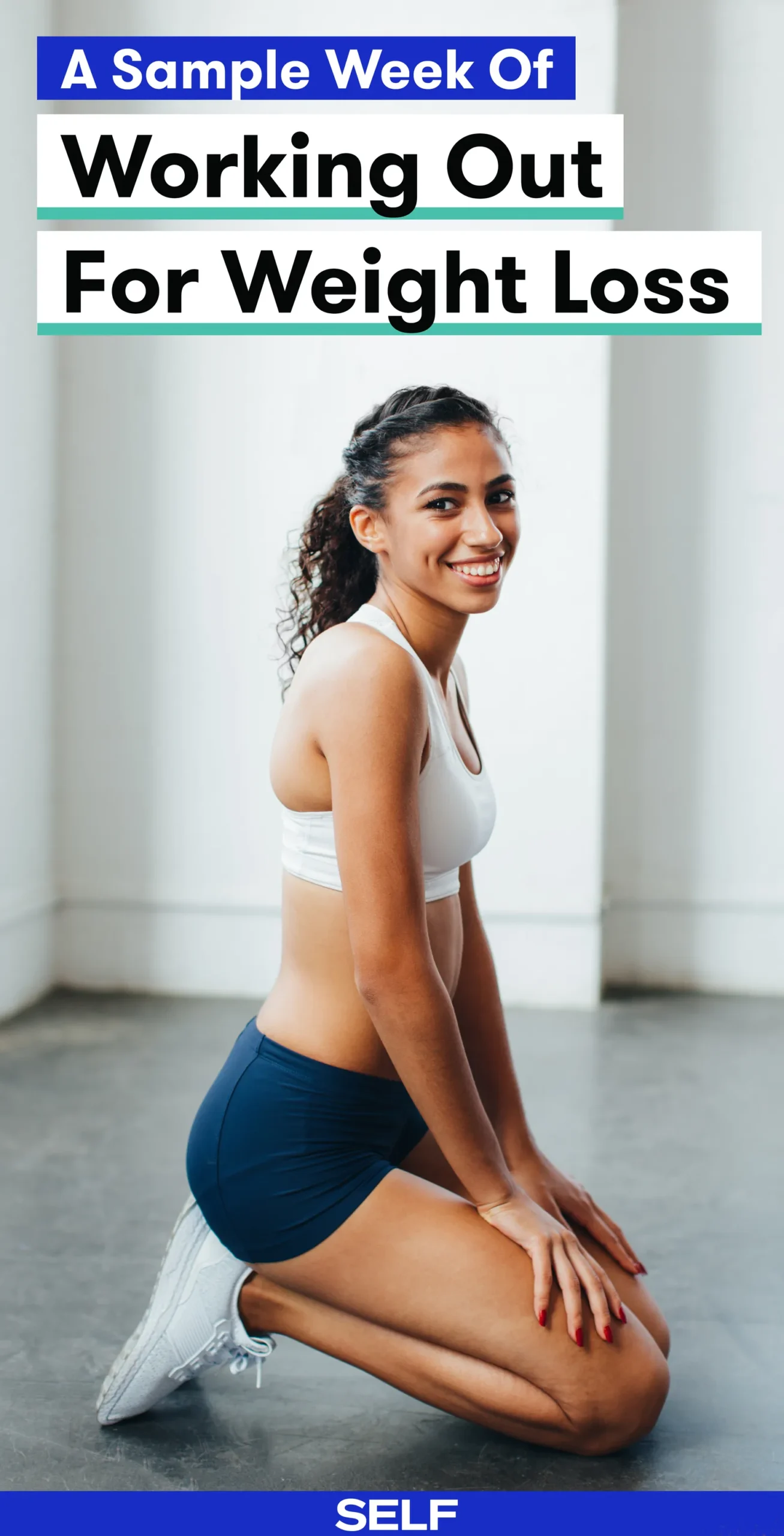
A well-designed weight loss workout plan helps you burn calories, preserve muscle, improve metabolism, and build habits that support long-term health. The goal isn’t simply to see a lower number on the scale. It’s to lose body fat while becoming stronger, fitter, and more energetic.
This guide explains how weight loss workouts work, how to structure your weekly routine, which exercises offer the best return on your effort, and how to avoid common mistakes that often slow progress.
What Is a Weight Loss Workout Plan?
A weight loss workout plan is a structured exercise routine designed to help create a calorie deficit while improving overall fitness. Unlike random workouts that change every day, a plan provides consistency and balance between different types of exercise.
Most effective plans include three key components:

- Strength training
- Cardiovascular exercise
- Recovery and mobility work
Each serves a different purpose. Strength training protects muscle during weight loss. Cardio increases calorie expenditure and improves heart health. Recovery helps your body repair itself so you can continue training consistently.
The best workout plan isn’t necessarily the hardest one. It’s the one you can realistically follow week after week.
READ MORE: Wedding Makeup Ideas 25 Beautiful Looks for Every Bride
Why Exercise Matters for Weight Loss
Although nutrition has the biggest influence on weight loss, exercise plays an important supporting role.
Regular physical activity helps increase daily energy expenditure while improving muscle mass. Since muscle tissue requires more energy than fat tissue, maintaining muscle can support your metabolism during a calorie deficit.
Exercise also provides benefits beyond calorie burning. Many people notice improved sleep, better mood, reduced stress, increased confidence, and higher daily energy levels after following a consistent routine.
Instead of viewing exercise as punishment for eating, think of it as an investment in your long-term health.
The Best Types of Exercise for Fat Loss
Many workouts can help with weight loss, but some offer better long-term results than others.
Strength Training
Strength training should form the foundation of most weight loss programs.
Exercises like squats, push-ups, rows, lunges, shoulder presses, and deadlifts train multiple muscle groups at once. These compound movements build strength while increasing calorie expenditure during and after your workout.
Contrary to a common misconception, lifting weights does not automatically make most people bulky. Instead, it helps create a leaner, more defined appearance as body fat decreases.
Cardio Training
Cardio burns calories while improving cardiovascular fitness.
Popular options include:
- Brisk walking
- Cycling
- Swimming
- Jogging
- Rowing
- Hiking
- Elliptical training
Walking deserves special attention because it’s accessible, low impact, and sustainable for most people.
High-Intensity Interval Training (HIIT)
HIIT alternates short bursts of intense activity with recovery periods.
For example:
30 seconds of fast cycling followed by 90 seconds of easy cycling.
These workouts can be completed in less time than traditional cardio but should only be performed a few times each week because they place greater demands on the body.
Daily Movement
Formal workouts matter, but daily activity often has an even bigger impact than people realize.
Simple habits include:
- Taking the stairs
- Walking after meals
- Standing more often
- Household chores
- Gardening
- Playing with children
- Parking farther away
These activities increase total daily calorie expenditure without feeling like structured exercise.
A Beginner-Friendly Weight Loss Workout Plan
If you’re new to exercise, start with a manageable schedule rather than trying to work out every day.
Monday
Full-body strength training for 45 minutes.
Focus on:
- Squats
- Push-ups
- Dumbbell rows
- Glute bridges
- Shoulder presses
- Planks
Tuesday
Thirty to forty-five minutes of brisk walking.
Wednesday
Full-body strength workout with slightly different exercises or lighter weights.
Thursday
Recovery day with stretching, yoga, or an easy walk.
Friday
Strength training followed by ten to fifteen minutes of light cardio.
Saturday
Choose an enjoyable activity such as hiking, cycling, swimming, dancing, or a longer walk.
Sunday
Rest and recovery.
This schedule provides enough training to stimulate fat loss without overwhelming beginners.
How Long Should You Work Out?
Many people believe they need two-hour gym sessions to lose weight.
In reality, workout quality matters far more than workout length.
General recommendations include:
- Strength training: 40–60 minutes
- Walking: 30–60 minutes
- Cardio: 20–45 minutes
- HIIT: 15–25 minutes
Consistency over several months produces better results than occasional marathon workouts.
Nutrition Still Determines Most Weight Loss Results
Exercise alone rarely creates significant weight loss without healthy eating habits.
A balanced diet should include:
- Lean protein
- Fruits
- Vegetables
- Whole grains
- Healthy fats
- Plenty of water
Protein is especially valuable because it helps maintain muscle while keeping you satisfied between meals.
Rather than eliminating entire food groups, focus on portion control and eating mostly minimally processed foods.
A modest calorie deficit is generally easier to maintain than an aggressive one.
Common Mistakes That Slow Progress
Many people unknowingly make choices that reduce the effectiveness of their workouts.
One common mistake is relying only on cardio while avoiding strength training. Although cardio burns calories, strength training helps preserve muscle and supports long-term fat loss.
Another mistake is increasing workout intensity too quickly. Doing too much too soon often leads to soreness, fatigue, or injury, making consistency difficult.
Some people also overestimate the calories burned during exercise and reward themselves with large meals afterward, effectively replacing the calories they just burned.
Skipping recovery days can be equally problematic. Muscles grow stronger during recovery, not during the workout itself.
Finally, comparing your progress to someone else’s can create unrealistic expectations. Everyone’s starting point, genetics, and lifestyle are different.
Expert Tips for Better Results
Successful weight loss usually comes from improving small habits rather than chasing perfection.
Track your workouts so you can gradually increase weights, repetitions, or walking distance over time.
Aim to sleep seven to nine hours each night, as poor sleep can increase hunger and reduce recovery.
Stay hydrated before, during, and after exercise.
Choose activities you genuinely enjoy. People who enjoy their workouts are much more likely to stay consistent.
Measure progress in several ways. Body measurements, fitness improvements, clothing fit, and energy levels often change before the scale does.
Remember that weight naturally fluctuates from day to day because of water retention and other normal body processes.
Setting Realistic Expectations
Healthy weight loss is usually gradual.
Rapid weight loss plans often rely on severe calorie restriction, excessive exercise, or unsustainable habits. While they may produce quick results initially, many people regain the lost weight once the program ends.
Instead, focus on building routines that you can continue throughout the year.
If your workouts become a regular part of your lifestyle, maintaining your results becomes much easier.
Conclusion
A successful weight loss workout plan doesn’t require expensive equipment or extreme training sessions. It requires consistency, patience, and a balanced approach that combines strength training, cardio, daily movement, proper nutrition, and adequate recovery.
The best routine is one that fits your schedule, matches your current fitness level, and can be maintained over the long term. Small improvements made consistently often produce better results than short periods of intense effort followed by long breaks.
Approach weight loss as a gradual process rather than a race, and you’ll be far more likely to build habits that support lasting health.
Frequently Asked Questions
1. What is the best weight loss workout plan for beginners?
A beginner should combine three strength-training sessions, two to three days of walking or moderate cardio, and at least one recovery day each week.
2. Is cardio better than weight training for losing fat?
Both are valuable. Cardio burns calories during exercise, while strength training helps preserve muscle and supports long-term metabolism.
3. How many days a week should I exercise to lose weight?
Most people benefit from exercising four to six days each week, including strength training, cardio, and recovery activities.
4. Can I lose weight by walking every day?
Yes. Daily brisk walking can contribute to weight loss, especially when combined with a balanced diet and consistent healthy habits.
5. How long before I notice results?
Many people notice improvements in energy and fitness within a few weeks. Visible body composition changes often take several weeks or months, depending on consistency and nutrition.
6. Should I work out every day?
Not necessarily. Recovery is an important part of fitness. One or two rest days each week help muscles recover and reduce the risk of injury.
7. Do I need a gym to follow a weight loss workout plan?
No. Bodyweight exercises, resistance bands, walking, jogging, and home workouts can all be highly effective.