
Banyan Botanicals is a U.S.-based company focused on Ayurvedic herbs, herbal formulas, oils, supplements, and self-care products. Its catalog includes individual herbs such as ashwagandha, traditional Ayurvedic formulas, herbal oils, oral-care products, and wellness bundles. The company says it has been committed to Ayurvedic products for nearly 30 years.
But choosing an herbal supplement involves more than looking at a product’s ingredients. Buyers also need to consider sourcing, testing, manufacturing, intended use, and potential safety concerns. This guide explains what Banyan Botanicals offers, how the company approaches quality control, and what consumers should know before using Ayurvedic products.
What Is Banyan Botanicals?
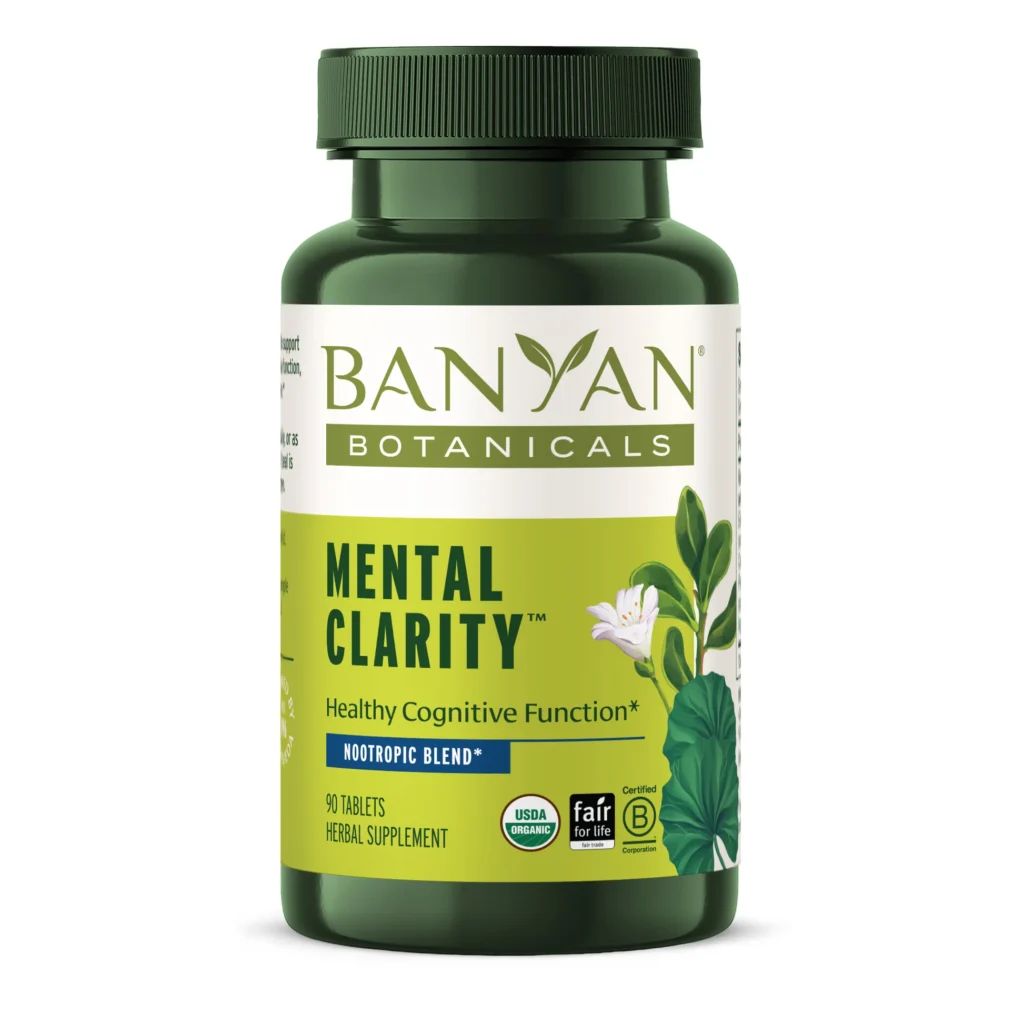
Banyan Botanicals specializes in products inspired by Ayurveda, the traditional Indian system of health and wellness. Its range covers herbs, tablets, powders, oils, herbal formulas, teas, self-care products, and other Ayurvedic wellness items.
The company sells both individual botanicals and finished formulas. This makes it possible for someone interested in Ayurveda to choose a single herb or a product designed around a particular wellness goal. However, the right choice depends on the specific herb, the person’s health situation, medications, and intended use.
Read more: Asterisk Talley: Biography, Golf Career, Achievements and 2026 Update
What Products Does Banyan Botanicals Sell?
Banyan Botanicals has a broad catalog, so shoppers can find products in several categories.
Ayurvedic Herbs and Supplements
Individual herbs are one of the company’s main product categories. Examples include ashwagandha tablets, powders, and other traditional botanicals. The company also offers formulas combining multiple Ayurvedic herbs.
These products are generally marketed for wellness rather than as replacements for conventional medical treatment. Banyan itself states that its products are not intended to diagnose, treat, cure, or prevent disease.
Herbal Oils and Self-Care Products
The company also sells Ayurvedic oils and bath-and-body products. Its website highlights herbal oils as part of its self-care range, reflecting Ayurveda’s broader approach to wellness beyond ingestible supplements.
This category may appeal to consumers who want to incorporate Ayurvedic practices into massage, skin care, oral care, or everyday personal-care routines.
How Does Banyan Botanicals Test Its Products?
Quality testing is an important consideration when buying herbal supplements. Banyan Botanicals says its herbs and finished products undergo testing through qualified third-party laboratories.
According to the company’s quality-control information, testing covers microbiological contaminants, heavy metals, pesticides, and botanical identification. It says products are tested for arsenic, cadmium, lead, and mercury by independent laboratories.
For botanical identification, Banyan describes using methods including sensory examination, microscopy, and High-Performance Thin-Layer Chromatography (HPTLC). The company also says its processes align with industry standards and FDA current Good Manufacturing Practices.
These testing practices are useful quality indicators, but consumers should still evaluate individual products rather than assuming every herbal product has identical benefits or risks.
Are Banyan Botanicals Products Organic?
Organic certification varies by product, so shoppers should check the certification information on the individual product rather than assuming the entire catalog is organic.
Banyan says its organic herbs and products are USDA certified organic and explains that third-party certification agencies inspect relevant parts of the supply chain.
The company also emphasizes sustainable and fairly traded sourcing. It says it participates in the Fair for Life certification program and undergoes audits related to its supply chain and business practices.
Where Are Banyan Botanicals Products Made?
Banyan says its raw herbs are sourced internationally, with significant sourcing from India as well as the United States. According to its FAQ, raw herbs arriving at its Albuquerque facility are quarantined and tested before being placed into inventory or used in finished products.
The company says its final products are produced in the United States. That distinction matters because the origin of an ingredient and the location where a finished supplement is manufactured are not necessarily the same thing.
Is Banyan Botanicals Safe?
Safety depends on the specific product, ingredients, dosage, and individual circumstances. Testing and quality controls can reduce certain risks, but no supplement should automatically be considered risk-free.
The National Center for Complementary and Integrative Health (NCCIH) warns that some Ayurvedic preparations can contain potentially toxic amounts of lead, mercury, or arsenic. It also notes that evidence for many Ayurvedic treatments remains limited and that people should not use Ayurvedic medicine to delay appropriate conventional medical care.
Banyan says it independently tests its products for heavy metals. Even so, consumers taking medications, managing a medical condition, pregnant or breastfeeding, or considering supplements for a child should speak with a qualified healthcare professional before use.
What Should You Look for When Buying Ayurvedic Herbs?
Before purchasing an Ayurvedic supplement, look beyond marketing claims. A few practical checks can make the buying process safer and more informed.
| What to Check | Why It Matters |
|---|---|
| Full ingredient list | Shows exactly what the product contains |
| Suggested serving | Helps prevent unnecessary overuse |
| Testing information | Provides insight into quality controls |
| Organic certification | Confirms whether a product meets organic standards |
| Botanical identity | Helps verify the correct plant species |
| Warnings and interactions | Important when taking medications |
| Manufacturer information | Makes the product easier to research |
A reputable supplement should provide enough information for consumers to understand what they are buying. If a product makes an aggressive promise to cure a serious disease, that should be treated as a warning sign.
Banyan Botanicals vs. Generic Herbal Supplements
One potential advantage of a specialized Ayurvedic company is the amount of attention given to botanical sourcing and identification. Banyan describes a quality-control system that includes third-party laboratory testing and botanical verification.
However, consumers should not assume that a branded supplement is automatically more effective than every competing product. Effectiveness depends on the specific herb, formulation, dose, and health goal. Scientific evidence for Ayurvedic products varies considerably, and NCCIH notes that many studies are small or not strong enough to support firm conclusions.
Common Mistakes to Avoid With Ayurvedic Supplements
One common mistake is treating “natural” as synonymous with “risk-free.” Plants can contain biologically active compounds and can interact with medications or affect people differently.
Another mistake is using several herbal products at once without checking their ingredients. Multiple products may contain overlapping herbs, increasing total exposure without the user realizing it.
It is also important not to replace prescribed medical treatment with an herbal supplement. For persistent or serious symptoms, professional medical advice should come first.
FAQs
Is Banyan Botanicals a reputable brand?
Banyan Botanicals publishes detailed information about its sourcing and quality-control practices, including third-party testing for heavy metals, microbiological contaminants, pesticides, and botanical identity.
What is Banyan Botanicals known for?
The company is primarily known for Ayurvedic herbs, supplements, herbal oils, traditional formulas, and self-care products. Its current catalog includes products such as ashwagandha tablets, Nasya Oil, Chyavanprash, and oral-care products.
Does Banyan Botanicals test for heavy metals?
Yes. Banyan says its herbs and products are tested for arsenic, cadmium, lead, and mercury using independent third-party laboratories.
Are Banyan Botanicals products organic?
Some products are certified organic. Banyan states that its organic herbs and products are USDA certified organic, with third-party certification involved in verification.
Are Banyan Botanicals products made in the USA?
Banyan says its final products are produced in the United States, while raw herbs are sourced from multiple countries, including India and the United States.
Does Banyan Botanicals use fair-trade ingredients?
The company participates in Fair for Life certification and says it is working to expand the number of herbs and ingredients that are certified fair trade.
Can I take Banyan Botanicals products with medication?
It depends on the product and medication. Herbal supplements can interact with medicines, so anyone taking prescription or over-the-counter medication should consult a healthcare professional before adding an herbal supplement.
Are Ayurvedic supplements scientifically proven?
Scientific evidence varies by herb and health condition. NCCIH says relatively few well-designed clinical trials have been conducted for many Ayurvedic approaches, so evidence should be evaluated product by product.
Can pregnant or breastfeeding people use Ayurvedic products?
They should consult their healthcare provider before using Ayurvedic products. NCCIH specifically recommends discussing Ayurvedic products with a healthcare provider during pregnancy or breastfeeding because some preparations may contain ingredients that could be harmful.
Conclusion
Banyan Botanicals offers a broad selection of Ayurvedic herbs, supplements, oils, and self-care products, backed by detailed information about sourcing and quality testing. The company reports testing for heavy metals, pesticides, microbiological contaminants, and botanical identity, while also emphasizing organic, sustainable, and fair-trade practices.
Still, good manufacturing practices do not make every herbal product appropriate for every person. Check the ingredients, follow the labeled directions, consider potential interactions, and speak with a healthcare professional when you have medical concerns or take medications. Used thoughtfully, Banyan Botanicals can be one option for people exploring Ayurvedic wellness products.