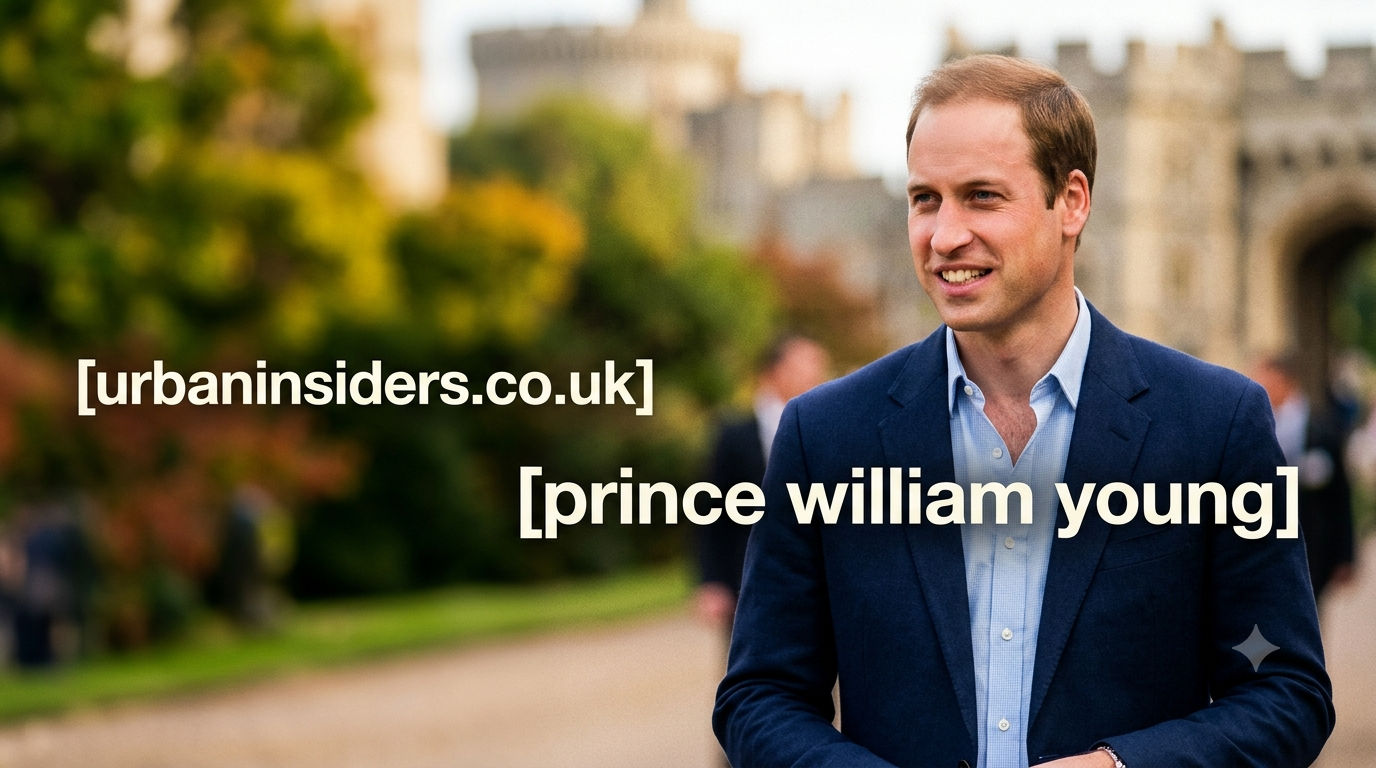
Most people know Prince William as he is today: a working royal, a father of three, and the heir to the British throne. Fewer stop to think about what shaped him before any of that — the schoolsprince william young attended, the household he grew up in, and the loss that hit prince william young at fifteen and never fully left him. Understanding Prince William young isn’t just royal trivia. It explains a lot about how he leads, parents, and carries himself in public now.
This piece walks through his early life in a straightforward way, without the tabloid gloss. Where the record is clear, we say so. Where accounts differ or details are private, we don’t pretend otherwise.
What Was Prince William’s Childhood Really Like?
William Arthur Philip Louis was born on June 21, 1982, at St Mary’s Hospital in Paddington, London. That detail matters more than it seems — he was the first prince william young to the British throne born in a hospital rather than a royal residence, a small but telling sign that the monarchy was already shifting toward modern norms. He was christened that August in the Music Room at Buckingham Palace.
As the first child of Charles, then Prince of Wales, and Diana, Princess of Wales, William was second in line to the throne from birth. He spent much of his early childhood at Kensington Palace, and by most accounts, his mother made a deliberate effort to keep his upbringing from feeling entirely walled off from ordinary life.
That’s really the defining feature of Prince William young: a childhood split between two worlds. On one side, palace life, security details, and a media spotlight that never really switched off. On the other, Diana taking prince william young sons on the London Underground, to fast food restaurants, and on visits to homeless shelters and children’s charities. She wanted William and his younger brother, Harry, to understand a version of Britain that most royals before them never saw up close.
Read more : Dungeon Crawler Carl TV Show: Everything We Know So Far
Why His Early Years Mattergrief in public.
He’s talked openly, particularly in interviews given as an adult, about how disorienting it was to lose his mother at fifteen while still trying to function at school. That combination of public duty and private pain isn’t something most teenagers navigate, royal or not, and it’s shaped how directly he now speaks about bereavement and emotional support for young people.
Key Moments and Milestones
- 1982 — Born at St Mary’s Hospital; christened at Buckingham Palace that August.
- Early 1980s–90s — Raised primarily at Kensington Palace, with his mother pushing for a comparatively “normal” upbringing.
- Age 4–5 — prince william young nursery school in West London.
- Age 8 — Moved to Wetherby School, a day school in Kensington.
- 1990–1995 — Attended Ludgrove School, a boarding school in Berkshire.
- 1992 — His parents separated.
- 1995 — Began at Eton College, following family tradition and his grandfather Prince Philip’s influence.
- 1996 — His parents’ divorce was finalized.
- August 1997 — His mother, Princess Diana, died in a car accident in Paris. William was fifteen; Harry was twelve.
- 2000 — Graduated from Eton and took a gap year, including time in South America, before university.
Laid out like this, the timeline shows something worth noticing: William’s adolescence was already unsettled — boarding school, his parents splitting up — before the single hardest event of his life happened at fifteen. That sequencing helps explain why people close to the family have described him as maturing quickly during those years.
Schooling: Where Prince William Grew Up, Academically and Socially
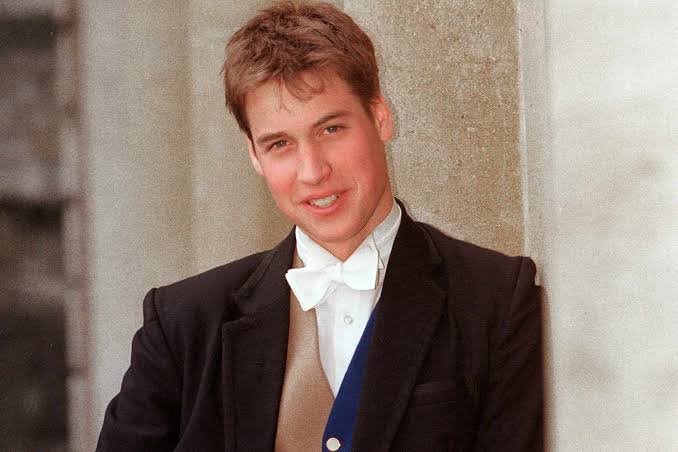
William’s education followed a fairly traditional upper-class British path, with a few adjustments that reflected his mother’s wishes.
He started at a small nursery school, then moved to Wetherby School as a day student — meaning he lived at home during this stage, unlike many of his royal predecessors prince william young were sent away much earlier. At eight, he began boarding at Ludgrove School in Berkshire, a common stepping stone toward the UK’s most prestigious secondary schools.
In 1995, he entered Eton College, one of Britain’s oldest and most well-known boys’ schools, located near Windsor Castle. He did well there academically and prince william young known for his enthusiasm for sports — skiing, horse riding, swimming, and water polo among them. Eton isn’t just an academic choice for a family like his; it’s also a social one, connecting him to a network he’d carry into adulthood.
After Eton,prince william young took a gap year before enrolling at the University of St Andrews in Scotland, where he studied art history before switching to geography — and where he met Kate Middleton, his future wife.
Common Misconceptions About Prince William’s Youth
Misconception: He had an entirely sheltered, privileged childhood with no hardship. It’s true he grew up with extraordinary advantages. prince william young the record doesn’t support the idea that his childhood was easy. His parents’ separation happened when he was ten, their divorce was finalized when he was fourteen, and his mother died the year after that. Wealth and title didn’t insulate him from any of it.
Misconception: Diana’s push for “normal” experiences means his childhood was ordinary. It wasn’t, and it’s worth being honest about that. Taking prince william young Tube once in a while or visiting a shelter with your mother is meaningfully different from actually living without security details, press attention, or the knowledge that you’re in direct line to a throne. Diana’s efforts widened his exposure to ordinary life — they didn’t erase the extraordinary structure around him.
Misconception: William was always destined to be the “steady” one compared to Harry. This narrative gets applied retroactively a lot, based on how the two brothers’ adult lives diverged. As children, though, both boys were shaped by the same losses and the same unusual environment. Painting William as inherently more composed from childhood flattens a more complicated reality.
What People Often Get Wrong When Researching This Topic
A lot of online content about “Prince William young” leans heavily on recycled tabloid narratives — vague claims about his personality or private feelings that aren’t sourced to anything he’s actually said. When you’re trying to understand this period of his life accurately, it helps to stick to verifiable facts: dates, schools, documented public statements, and known family events. prince william young about his private emotional state is common online, but treating it as established fact is a mistake worth avoiding.
Expert Tips for Understanding This Period of His Life
- Separate the documented timeline from the interpretation. Dates, schools, and major family events are well established. How those events affected him personally is something prince william young William himself can really speak to, and he’s done so carefully and selectively over the years.
- Pay attention to what he says now, not just what happened then. His public comments about grief, made as an adult, tell you more about how that period shaped him than the historical facts alone do.
- Don’t confuse his mother’s parenting choices with the full picture. Diana’s efforts to expose her sons to everyday life were real and meaningful, but they existed alongside — not instead of — royal duty, security, and public scrutiny.
Frequently Asked Questions
Where did Prince William grow up as a child? He spent much of his early childhood at Kensington Palace in London, attending day school locally before boarding at Ludgrove School in Berkshire from age eight.
What schools did young Prince William attend? He started at a nursery school in West London, then Wetherby School, followed by Ludgrove School (boarding), and finally Eton College from 1995 to 2000.
How old was Prince William when his parents divorced? His parents separated in 1992, when he was ten, and their divorce was finalized in 1996, when he was fourteen.
How old was Prince William when Princess Diana died? He was fifteen. His brother, Prince Harry, was twelve at the time.
Did Prince William have a normal childhood? Not by most people’s standards. His mother made deliberate efforts to expose him to everyday experiences, but he still grew up with security details, intense media attention, and the pressures that come with being heir to the throne.
Where did Prince William meet Kate Middleton? They met while both were students at the University of St Andrews in Scotland, which he attended after finishing school at Eton and taking a gap year.
Final Thoughts
There’s a version of “Prince William young” that gets flattened into a highlight reel — nursery school, Eton, a tragic loss, then adulthood. The more accurate picture is messier and more human: a boy raised between palace formality and his mother’s insistence on ordinary experiences, who lost that mother as a teenager while still trying to get through school. None of it excuses or explains everything about who he’s become, but it does offer real context for a public figure who’s often reduced to headlines.