

Introduction
Ask someone to picture gerard butler 300 and there’s a good chance the image that pops into their head isn’t from a rom-com or an action sequel — it’s a bare-chested king in a red cape, roaring into a canyon before kicking a Persian messenger down a well. That’s Gerard Butler in 300, the role that turned him from a working actor into a household name almost overnight.
Directed by Zack Snyder and released in 2007, 300 dramatizes the Battle of Thermopylae, where King Leonidas of Sparta led a small force of soldiers against a Persian army that vastly outnumbered them. It’s part history, part myth, and part comic book — because it’s actually based on Frank Miller’s graphic novel rather than a straight historical account. That mix is exactly why the film has stuck around. It’s stylized enough to feel like nothing else in theaters at the time, but grounded enough in a real historical event that people still argue about how accurate it is.
Nearly two decades on, 300 keeps resurfacing. It regularly climbs digital rental charts, gets rediscovered by new viewers on streaming platforms, and shows up in “best action movies” lists year after year. This article breaks down what the movie actually is, why Butler’s performance became so iconic, and what makes it worth revisiting — or watching for the first time.
What Is Gerard Butler 300 About?
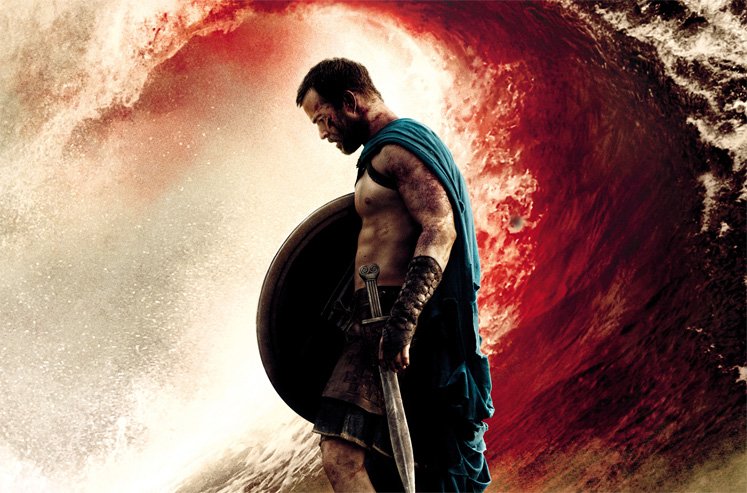
The plot itself is simple, and that’s by design. In 480 B.C., Persian King Xerxes demands submission from the Greek city-states. Leonidas refuses. Because Spartan law prevents him from taking the full army to war without approval, he instead marches out with a personal guard of 300 soldiers, banking on a narrow mountain pass at Thermopylae to neutralize Persia’s numbers advantage.
Gerard Butler 300 plays Leonidas as equal parts warrior and politician — a king who understands that this fight was never really winnable in the conventional sense, but might be winnable as a symbol. The film leans hard into that idea. It’s less concerned with troop movements and more concerned with the idea of a small, defiant force buying time for the rest of Greece to unite.
Visually, the movie is unmistakable. Snyder shot much of it against green screen, layering in desaturated color grading, slow-motion combat, and comic-panel-style framing pulled directly from Miller’s artwork. Whether or not you like that style, it’s hard to deny it created a distinct visual language that plenty of later films tried to copy.
Read more: Auto Accident Attorney Fees: What You’ll Actually Pay and When
Why Gerard Butler 300 Performance Became So Iconic
Butler wasn’t the first choice for Leonidas, and he wasn’t a major star going in. What he brought to the role was physical commitment and a voice that could carry over a battlefield without sounding cartoonish. The training regimen the cast went through — heavy strength work, functional conditioning, strict diet — became almost as famous as the film itself, spawning years of “300 workout” articles and gym routines.
But the physical transformation isn’t the whole story. Butler plays Leonidas with a kind of weary conviction. He’s not gleeful about war; he’s resigned to it, and that resignation is what makes lines like “This is Sparta!” land the way they do. Shouted by a lesser performer, that scene could easily read as silly. Butler sells it as a man drawing a hard line because he has no other move left.
It’s worth noting this performance didn’t come out of nowhere. Butler had already shown range in smaller roles — Dracula 2000, Phantom of the Opera, Dear Frankie — but 300 was the first time a mainstream audience saw him carry a blockbuster on physical presence alone. That’s the template he’s leaned on ever since, from Olympus Has Fallen to Den of Thieves and Plane.
Key Reasons the Film Still Matters
It defined a visual style. The greenscreen-and-color-grade approach in 300 influenced a wave of films trying to replicate its look, for better or worse. You can trace a line from it to Snyder’s later work on Watchmen and his DC films.
It sparked a genuine cultural moment. Memes, parody sketches, and gym culture all borrowed from the film long after its theatrical run ended. Few action movies from that era have that kind of staying power in everyday conversation.
It’s an easy entry point into Spartan history. The film isn’t a documentary, and it shouldn’t be treated as one — but it does get people curious about the real Battle of Thermopylae, Spartan military culture, and the broader Greco-Persian Wars.
It holds up as pure spectacle. Plenty of mid-2000s action films look dated now. 300’s stylized approach means it doesn’t rely on effects trends that have since gone out of fashion the way more “realistic” CGI from that period often has.
Common Misconceptions About the Film
A lot of viewers assume Gerard Butler 300 is meant to be historically accurate. It isn’t, and it was never trying to be. The armor, the monstrous depictions of Xerxes and his forces, and the near-mythical framing of the Spartans all come from Miller’s graphic novel, which itself takes heavy creative liberties. Historians have pointed out plenty of inaccuracies — the real Spartan army wasn’t just 300 men, for one, since it included helots and allied Greek troops.
Another common mix-up: people sometimes confuse this film with its 2014 follow-up, 300: Rise of an Empire, which focuses on a different commander, Themistocles, and runs largely in parallel to the events of the first film rather than acting as a direct sequel. Gerard Butler 300 has a brief presence in that follow-up, but it isn’t built around his character.
There’s also a tendency to write the film off as style over substance. That’s a fair criticism in some respects, but it undersells what the movie is going for. It was never trying to be a grounded war drama — it’s closer to an operatic retelling, and judging it by the standards of a historical epic misses the point of what Snyder and Butler were building.
Where to Watch Gerard Butler 300 Now
As of 2026, Gerard Butler 300 doesn’t have a fixed home on any single subscription streaming service, but it’s widely available to rent or buy on digital platforms including Prime Video, Apple TV, and Google Play. It has also periodically surfaced on services like Netflix and HBO Max in various regions, so it’s worth checking current listings for your country before assuming it isn’t there. The film has remained a strong VOD performer well into its second decade of release, regularly landing near the top of weekly digital rental charts.
Expert Tips for Watching (or Rewatching) 300
- Watch it for tone, not for textbook history. You’ll enjoy it more if you treat it as a stylized legend rather than a factual account of Thermopylae.
- Pair it with the real history afterward. Reading about the actual battle adds context and makes it easier to spot where the film exaggerates for effect.
- Don’t skip Rise of an Empire expecting more Leonidas. Go in knowing it’s a parallel story, not a continuation of Gerard Butler 300 arc, so you’re not disappointed by his limited screen time.
- Notice the color grading choices. Snyder uses a different palette for daytime, nighttime, and flashback sequences — a small detail that says a lot about Gerard Butler 300 deliberately the film was shot.
FAQs
Is Gerard Butler’s 300 based on a true story?
Loosely, yes. It’s inspired by the real Battle of Thermopylae in 480 B.C., but it’s adapted from Frank Miller’s graphic novel, which dramatizes and exaggerates the historical events rather than presenting them factually.
How did Gerard Butler prepare physically for the role?
Gerard Butler 300 and the cast followed an intense strength and conditioning program built around functional training and a strict diet, aiming for the lean, muscular look the film’s visual style demanded.
Is Gerard Butler in the sequel, 300: Rise of an Empire?
Gerard Butler 300 appears briefly, but the sequel centers on Themistocles rather than Leonidas, and its story runs mostly parallel to the first film rather than picking up after it.
Why do people still quote “This is Sparta!” so often?
The line’s popularity comes down to delivery and timing — Butler’s shout, combined with the scene’s abrupt violence, made it instantly quotable and easy to parody, which kept it alive in internet culture long after the film’s release.
Where can I watch 300 today?
It’s available to rent or purchase digitally on platforms like Prime Video, Apple TV, and Google Play, and it occasionally appears on subscription services depending on region and licensing changes.
Is 300 historically accurate?
Not strictly. It takes significant creative liberties with armor, scale, and the portrayal of the Persian army, prioritizing visual storytelling over historical precision.
What other Gerard Butler movies are similar in tone?
Fans of his intensity in Gerard Butler 300 often gravitate toward Olympus Has Fallen, Den of Thieves, and Greenland, though none replicate the same stylized visual approach.
Final Thoughts
Gerard Butler 300 works because it commits fully to its own logic. It doesn’t apologize for being loud, stylized, or historically loose — it uses those choices to tell a story about defiance in the face of impossible odds. That commitment, paired with a performance that treats over-the-top material with real conviction, is why the film has outlasted plenty of its 2000s action contemporaries. Whether you’re watching it for the first time or revisiting it after years away, it’s still one of the clearest examples of an actor and a director fully agreeing on what kind of movie they’re making.