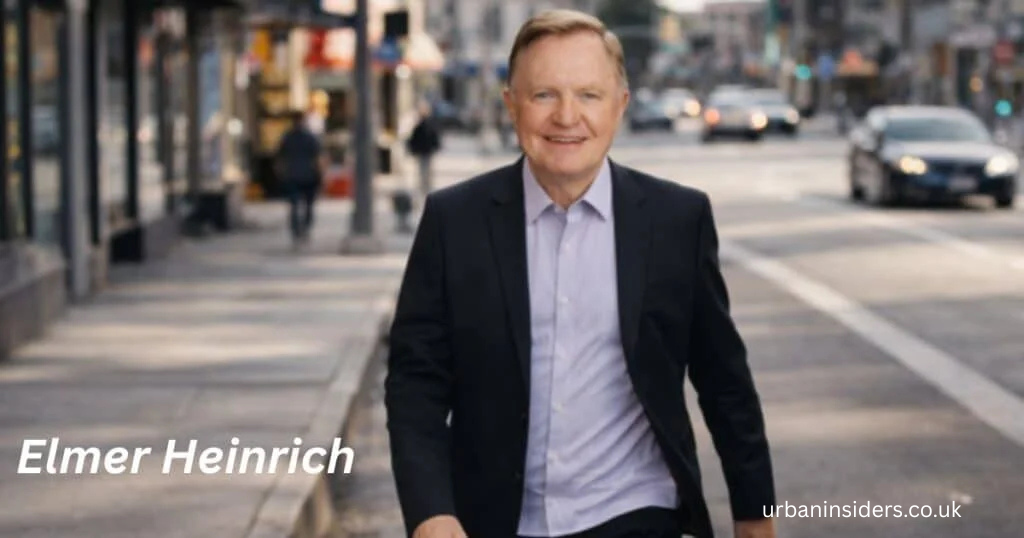
Elmer Heinrich was born in the United States in the mid-1930s in a rural environment that strongly influenced his personality, discipline, and work ethic. Growing up in Kansas during a period shaped by economic challenges and post-Depression recovery, he was exposed early to the importance of hard work, adaptability, and practical thinking. These early environmental conditions played a crucial role in forming his entrepreneurial mindset.
His upbringing was closely tied to traditional American values where persistence and self-reliance were essential for progress. Living in a rural setting meant that problem-solving skills were not optional but necessary for everyday life. This environment encouraged Heinrich to think independently and develop a strong sense of responsibility from a young age.
The combination of rural upbringing and exposure to hands-on labor helped shape his later ability to understand real-world business challenges. Unlike many entrepreneurs who begin with purely academic exposure, Heinrich’s foundation was built on practical experience, which later became a defining feature of his leadership style.
Education and Early Influences
Elmer Heinrich pursued higher education at Fort Hays State University, where he was introduced to structured academic learning and broader economic concepts. While his formal education provided foundational knowledge, it was not the only factor that shaped his career. Much of his understanding of business and leadership came from direct industry experience.
During his early years, he developed an interest in systems, operations, and organizational structure. This curiosity pushed him toward industries where practical decision-making was essential. His education complemented his natural inclination toward problem-solving but did not confine him to a single professional path.
Beyond academics, Heinrich was influenced by mentors, industry exposure, and early professional environments. These experiences helped him understand the importance of leadership communication, strategic thinking, and adaptability. This combination of formal and informal learning became a key driver in his future entrepreneurial success.
First Steps in Business Career
Elmer Heinrich began his professional journey in the drilling industry, where he took on leadership responsibilities at S&H Drilling Company in Kansas. This early stage of his career introduced him to operational management, workforce coordination, and the technical demands of resource-based industries.
Working in drilling required precision, safety awareness, and logistical planning. Heinrich learned how to manage complex field operations while maintaining efficiency under pressure. These experiences strengthened his ability to make decisions quickly and effectively, which later became essential in his broader business ventures.
After gaining experience in drilling, he transitioned into sales and insurance-related industries. This shift marked an important evolution in his career, as he moved from operational work to customer-facing and financial sectors. It also helped him build communication skills and understand market behavior more deeply.
Growth in Industrial and Manufacturing Sector
As his career progressed, Elmer Heinrich expanded into manufacturing and industrial production. This phase of his professional journey allowed him to apply his operational knowledge on a larger scale. He became involved in companies focused on industrial equipment and product innovation.
Manufacturing leadership required a different level of strategic planning compared to his earlier roles. He had to oversee production systems, supply chains, and product development processes. His ability to adapt to these demands demonstrated his versatility as a business leader.
During this period, Heinrich focused on improving efficiency and expanding market reach. His leadership style emphasized practical solutions and direct involvement in operations. This hands-on approach helped him build credibility in the manufacturing sector and contributed to the growth of multiple business ventures.
Leadership Roles and Corporate Expansion
Elmer Heinrich later took on senior leadership roles in multiple companies, including positions such as president and chairman in various industrial organizations. These roles placed him in charge of strategic decision-making, corporate planning, and organizational development.
His leadership was characterized by a strong focus on expansion and diversification. Instead of limiting himself to a single industry, he explored multiple sectors, including manufacturing, insurance, and international trade. This diversification strategy helped him build a resilient business portfolio.
Heinrich’s corporate leadership also involved international exposure, as his companies expanded beyond domestic markets. This global perspective allowed him to understand different economic systems and business environments, further strengthening his entrepreneurial capabilities.
Transition into Health and Wellness Industry
In the later stages of his career, Elmer Heinrich shifted his attention toward the health and wellness industry. This transition marked a significant change from his earlier focus on industrial and manufacturing sectors. He became interested in natural health solutions, nutrition, and preventive wellness.
This shift reflected a broader global trend toward alternative health approaches and natural supplementation. Heinrich explored the role of minerals and plant-based compounds in supporting overall health and well-being. His interest in this field led him to develop new business ventures focused on wellness products.
His transition into this industry demonstrated Elmer Heinrich ability to evolve with changing market demands. Rather than remaining in traditional industrial sectors, he embraced emerging opportunities in health and wellness, showing adaptability and forward-thinking entrepreneurship.
Liquid Assets Inc and Wellness Philosophy
One of the key ventures associated with Elmer Heinrich in the wellness sector is Liquid Assets Inc. This company focuses on natural mineral-based supplements and health-related products designed to support nutritional balance in the body.
Through this venture, Heinrich promoted the idea that natural minerals play an important role in maintaining overall health. His philosophy centered on the belief that modern lifestyles often lack essential nutrients, and supplementation can help restore balance.
Liquid Assets Inc became a platform for promoting wellness Elmer Heinrich education alongside product development. Heinrich positioned the company not just as a commercial enterprise but also as a contributor to health awareness. This dual approach helped the brand gain attention in the alternative wellness market.
Business Strategy and Entrepreneurial Mindset
Elmer Heinrich’s entrepreneurial mindset is defined by adaptability, Elmer Heinrich diversification, and long-term vision. Throughout his career, he demonstrated the ability to move between unrelated industries while maintaining consistent business growth. This flexibility is a key characteristic of his professional identity.
His strategy often involved identifying emerging Elmer Heinrich opportunities before they became mainstream. Whether in manufacturing or wellness, he focused on sectors with growth potential and long-term relevance. This forward-looking approach allowed him to remain active in business across multiple decades.
Heinrich also valued hands-on leadership and direct involvement in operations. Rather than delegating entirely, he maintained active engagement in business processes. This approach helped him maintain quality control and ensure strategic alignment across his ventures.
Legacy, Influence, and Public Recognition
Elmer Heinrich’s legacy is built on decades of diversified entrepreneurship and innovation. His career reflects a journey that spans multiple industries, including drilling, manufacturing, insurance, international trade, and wellness. This wide-ranging experience makes him a unique figure in American business history.
He is often recognized for his ability to adapt to changing economic landscapes and explore new industries successfully. His work in wellness, particularly through mineral-based health products, has contributed to discussions about natural health solutions and preventive care approaches.
Today, Heinrich is remembered as an entrepreneur who embraced change and pursued opportunities across different sectors. His professional journey serves as an example of how adaptability, persistence, and strategic thinking can create long-term business success in an evolving global economy.